Community

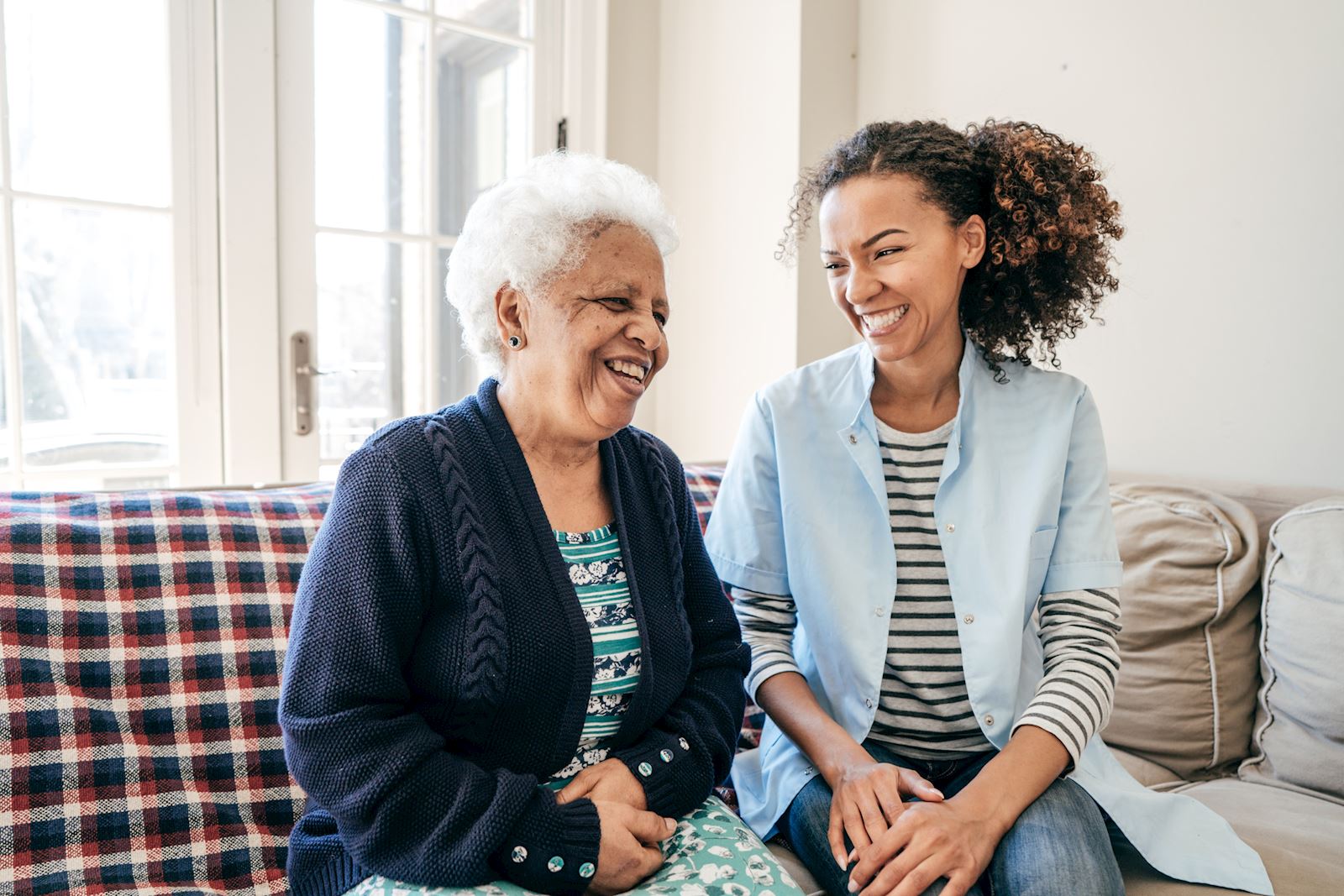
Joan is a retired teacher, world traveler, mother of three and grandmother of six who speaks three languages. But she lives alone, has mobility issues and struggles with using her phone. She needs help from her family to continue to live alone, but she dislikes being “talked down” to and she wants to be a part of every decision about her lifestyle and care. What Joan’s referring to is getting help while still having her dignity and independence.
Dignity and independence go together but are distinct
Merriam-Webster defines dignity as: “The state of being worthy, honored or respected.” For aging individuals, dignity is usually about being treated as a competent, intelligent, deserving person – just as they were earlier in their lives.
Independence refers to the ability as the ability to make self-directed choices and live freely from the control of others. For our older loved ones, independence usually means self-reliance, the ability to make decisions about living arrangements, finances, social life and more.
Ensuring a primary decision-making role is essential to preserving both dignity and independence. This means listening and engaging in conversations about healthcare, living arrangements, and finances are essential when helping your loved one.
6 tips for supporting your older family members and friends
- Support connections: Remaining active in the community, staying connected with family and friends, and keeping a routine helps everyone thrive, including older individuals. Fostering connections helps improve overall well-being.
- Consider mobility issues: A problem with mobility may be the only thing getting in the way of a person’s independence. Evaluate whether installing a ramp or purchasing a walker would solve the problem. And if driving is an issue, offer to explore alternative transportation services in the community.
- Facilitate independent personal care: Installing shower chairs and railings makes it easier for aging individuals with mobility concerns to safely manage their own personal care routines.
- Set up financial guardrails: Older individuals are particularly vulnerable to fraud, scams and theft. Offering to help set up automatic bill payments and financial alerts is a smart preventive measure.
- Suggest a well-check: If you’re concerned that your family member or friend is having physical or mental difficulties that haven’t been addressed, ask them if you can help schedule a medical check-up and transportation to the appointment if needed.
- Discuss nutrition: As we age, we can lose our appetites and may be less willing to cook healthy meals. A home-delivered meal service such as Mom’s Meals® can help.
Qualifying for free home-delivered meals from Mom's Meals
Did you know some Medicaid and Medicare Advantage plan members are eligible for government or health plan assistance to receive home-delivered meals from Mom’s Meals at little or no cost to them?
Is someone you care for…
- Over age 65
- Disabled
- Require assistance with grocery shopping and/or preparing meals
- On a Medicaid plan that offers a paid meal benefit
- On a Medicare Advantage plan that offers a paid meal benefit
About Mom's Meals
Mom’s Meals provides the most comprehensive food as medicine solutions nationwide. Our nutrition solutions are designed for all ages to bring comfort and inspire confidence in people seeking to live healthier, manage chronic health conditions, recover from illness and continue to live independently. Our integrated solutions include medically tailored meals, produce and pantry boxes, oral nutrition supplements, shelf-stable, kosher and halal meals, and nutrition counseling and education.
We offer medically tailored meals for most common nutrition-sensitive chronic health conditions, such as diabetes, heart and renal diseases along with pureed, gluten-free and general wellness options:
- 9 delicious menus and more than 60 meal choices
- Ready-to-heat-and-eat convenience
- Designed by registered dietitians and crafted by professional chefs
- Made from high-quality ingredients
- Produced in USDA- and FDA-inspected facilities
- Delivery to any address nationwide no matter how rural or underserved