Watch The Video

Food as Medicine Programs Work
Discover more about the role food as medicine has in improving health outcomes and costs. See case study results using nutrition solutions of medically tailored home-delivered meals, produce and pantry boxes, and nutrition counseling and education as part of a holistic approach to better health.
Health Plan of Nevada, a UnitedHealthcare® Company, partnered with Mom’s Meals to create a pilot program to support diabetes management, by better engaging its members as well as addressing food insecurity and social determinants of health.
In addition to receiving two meals a day for eight weeks, participants with uncontrolled Type 2 diabetes took part in disease management that included counseling.
In June 2021, 93 dually eligible members from a Medicaid Plan in California with congestive heart failure, with a minimum of four emergency department visits in the last 12 months and a high-risk profile, took part in a six-month pilot program of receiving lower-sodium medically tailored meals. Participants also received other supports, including calls with registered dietitians, community health workers, and nurse case managers, as well as produce and pantry boxes to help them transition to healthy lifestyle habits.
Mom’s Meals worked in collaboration with researchers at the University of Illinois at Urbana-Champaign who wanted to know what effect lower-sodium, home-delivered meals would have on patients undergoing hemodialysis (HD) for kidney failure. Three meals a day for four weeks were provided to participants. Researchers hoped to reduce patients’ interdialytic weight gain (IDWG) and “prime” changes in long-term nutrition behavior.
The 2020 pilot program results showed:
- A significant reduction in interdialytic weight gain among volunteers when compared to the usual dietary habits of HD patients
- A reduction in dietary sodium, thirst, dry mouth (xerostomia) scores, and volume overload, blood pressure and serum phosphorus
Another study by Tufts University estimated that expanding national access to medically tailored meals for patients with diet-sensitive conditions could result in:
- A net cost savings of $13.6 billion for payers
- The prevention of 1.6 million hospitalizations annually
AmeriHealth Caritas District of Columbia (DC) and Mom’s Meals have been partners since 2015. In 2022, an analysis was conducted for AmeriHealth Caritas DC managed Medicaid plan members facing health risks identified to participate in a meals program appropriate to their health condition. Participants in the post-discharge program received three medically tailored meals a day for two weeks and nutrition education from registered dietitians.
Post-discharge program outcomes included:
- 29% reduction in emergency medical services
- 17% fewer potentially preventable admissions
- 20% fewer readmissions
- $10 million reduction in total cost of care
Food as Medicine at Scale
As health plans, providers and policymakers seek new ways to improve health outcomes and manage total cost of care, food as medicine is gaining momentum.
Our white paper explores the practical, clinical and policy considerations surrounding food as medicine.
Discover 3 key elements for using food as medicine successfully:
.jpg)
Incorporating Medicinal Foods
Poor nutrition is a leading cause of illness in the United States, associated with more than half a million deaths per year. It is linked with an increased risk of diet-related chronic diseases including high blood pressure, diabetes, heart disease, and obesity.
What we eat has the potential to cause disease, as well as the ability to build, maintain and restore health. It’s all about prioritizing food and diet to help prevent, reduce symptoms, or reverse a condition.
Avoiding ultra-processed foods, sugary drinks, saturated and trans fats, and lowering sodium intake can help keep the body healthy. It’s also important to eat the rights foods and consult a doctor before making any dietary changes.
Add these foods into mealtime:
 Fiber
Fiber
It not only helps with the digestive process, but fiber also promotes weight loss, lowers the risk of diabetes and helps manage risk factors that affect heart health such as blood pressure and inflammation.
High-fiber foods include tomatoes, peppers, beans, grains and fruits from trees.
 Fruits and vegetables
They contain antioxidants that may help protect against cancer and support the immune system.
Examples include cherries, blackberries, oranges, spinach, broccoli and carrots.
 Protein
The body needs protein to maintain a healthy immune system to ward off illnesses, make enzymes for helping digest food, repair and strengthen muscle, keep bones strong and helps ensure blood and skin cells are continuously replaced as needed.
There are two types of protein: animal and plant. Animal protein is complete and provides all the essential amino acids required by the body.
Animal proteins include beef, pork, poultry, fish and dairy items.
Plant proteins are found in nuts, seeds, dried beans and legumes.
 Healthy fats
These contain Omega-3 fatty-acids have been found to improve heart health and the immune system. Healthy fats also help fuel the body and help it absorb nutrients.
Examples include seafood, lean meats and low-fat dairy.
Food as Medicine in Action
Meet Lavinia.
She went from heart failure to heartfelt success.
See how Lavinia used medically tailored meals from Mom’s Meals, nutrition counseling and education, and the tools she needed to take her life back.
Mom's Meals Comprehensive Food as Medicine Solutions







Our Programs
No matter the health goal or need, our programs make the path to improving life through better nutrition at home more convenient.
Providing nutrition support for leading chronic health conditions to improve outcomes and reduce the total cost of health care.
Helping individuals maintain independence at home and avoid institutional care.
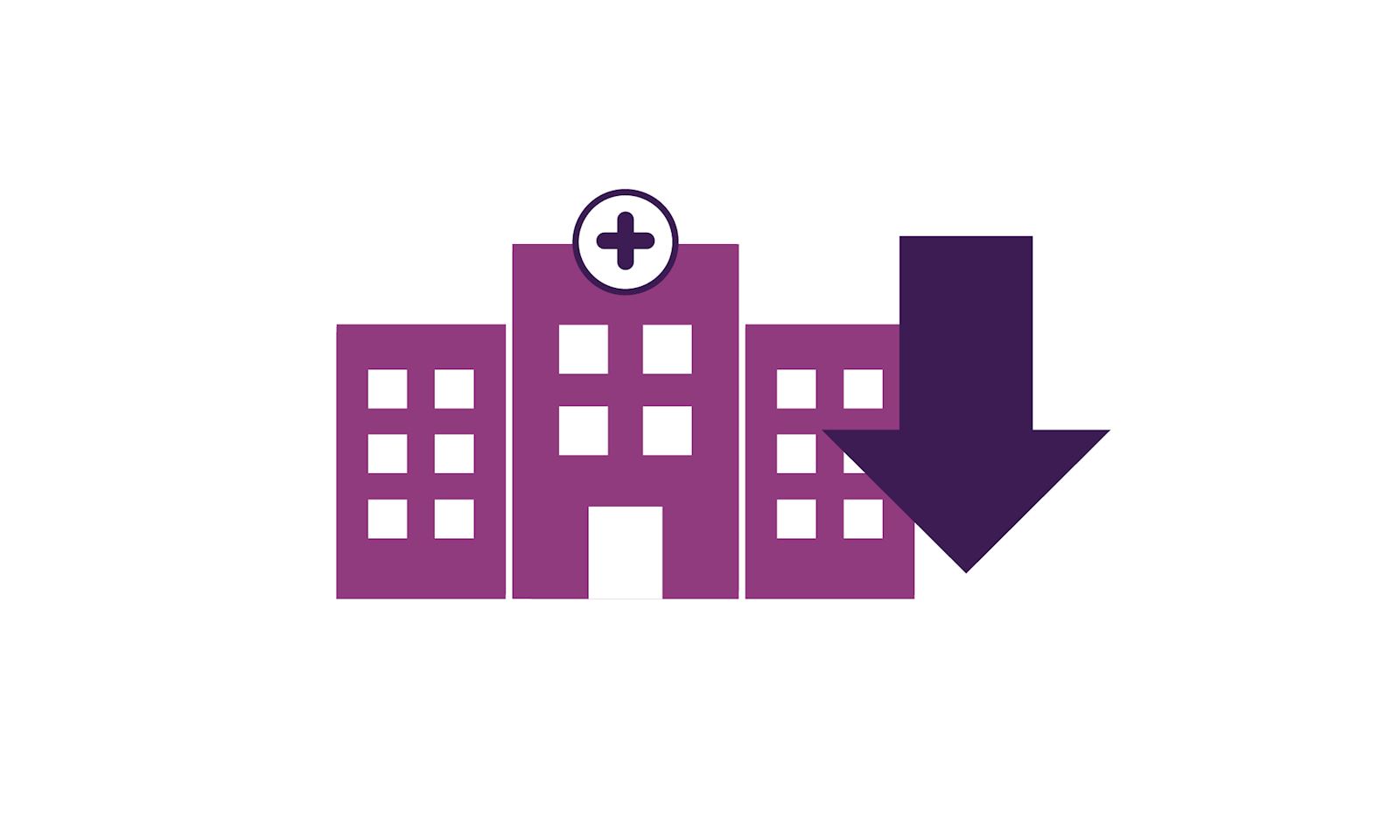
Supplying expedited nutrition to assist individuals in their recovery after a hospital or skilled nursing stay to reduce readmissions.
Offering our meals to those that want the convenience of home-delivered meals for themselves or a loved one.
Providing pregnancy and postpartum nutrition solutions and support to improve outcomes for expecting and new mothers, as well as their babies.
.jpg)