Nutrition
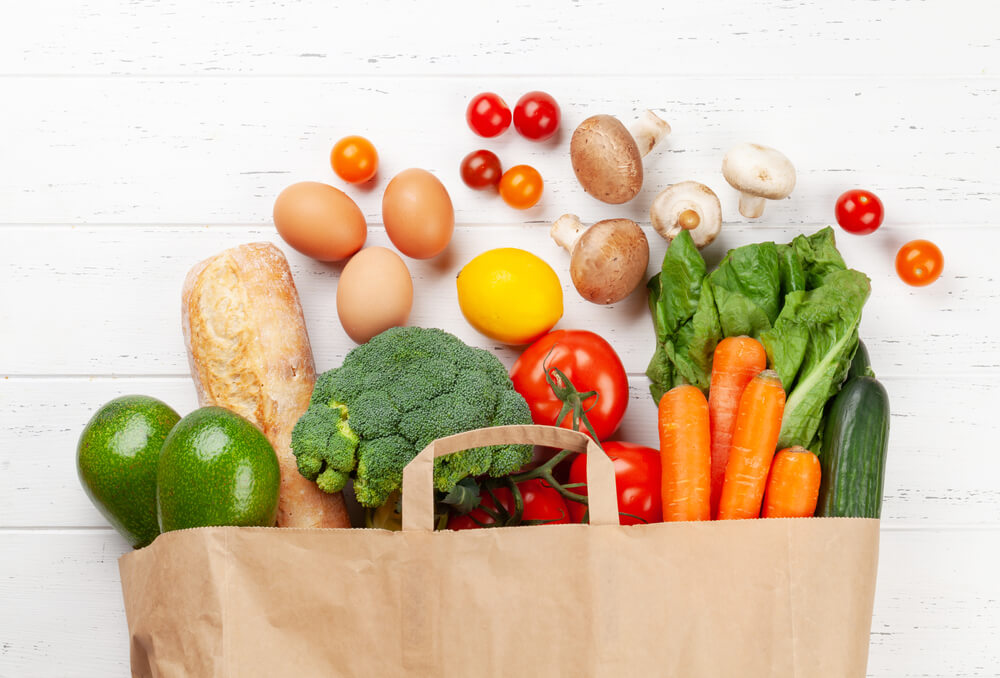
Making healthy food choices is important for improving your health, preventing and managing chronic health conditions, maintaining a healthy weight and promoting overall well-being. But sometimes it’s hard to know where to start. Try these tools to help you make informed decisions about how to fill your plate.
How to make healthy food decisions
To follow a healthy eating plan that includes a large variety of foods requires an understanding of what’s in the food we eat. There are three tools designed to help you make smarter food and nutrition choices:
1. Dietary Guidelines for Americans
The Dietary Guidelines for Americans are evidence-based food and beverage recommendations for individuals in all life stages, including guidance for infants and toddlers — birth to 24 months — and women who are pregnant.
This dietary advice helps you:
- Create and maintain a healthful diet
- Understand how to reduce your risk for many nutrition-sensitive chronic health conditions
- Find out how to reach and maintain your body's healthy weight
The Dietary Guidelines Advisory Committee is a group of health care providers, nutrition and medical researchers, and professors who develop the guidelines. Clinicians, public health agencies and educational institutions use them to inform patient care, community programming and coursework for future health care providers. The guidelines also serve as the basis for federal food and nutrition education programs, nutrition policy and programs and national health promotion and disease prevention initiatives.
The U.S. Department of Agriculture and the U.S. Department of Health and Human Services jointly publish the guidelines and update the guidelines every five years using input from registered dietitian nutritionists.
2. MyPlate
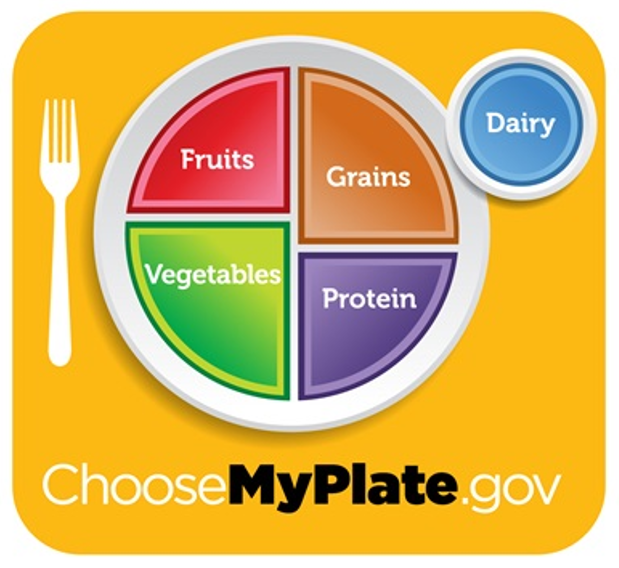
MyPlate helps you follow the advice detailed in the Dietary Guidelines for Americans and shows you how to portion foods from various food groups. The MyPlate website provides detailed information on what counts as a serving from each food group and how many servings per day are commonly needed.
To incorporate healthier choices into your daily routine, start by:
- Make half your plate fruits and vegetables
Choose whole, cut or pureed fruits that are fresh, frozen, dried or canned in 100% juice. Try adding fruit to every meal and enjoy it as a snack or as a dessert. It’s also important to choose a variety of colorful veggies and add fresh, frozen or canned vegetables to salads, sides and main dishes. You can prepare vegetables in healthful ways, whether that’s roasted, sautéed, steamed or raw. - Ensure half your grains are whole grain
Look for whole grains listed first on the ingredients list and consider trying oatmeal, popcorn, teff, quinoa, millet, bulgur, brown rice or breads, crackers and noodles made with whole-grain flours. It’s important to limit desserts and snacks like cakes and cookies. - Vary your protein routine
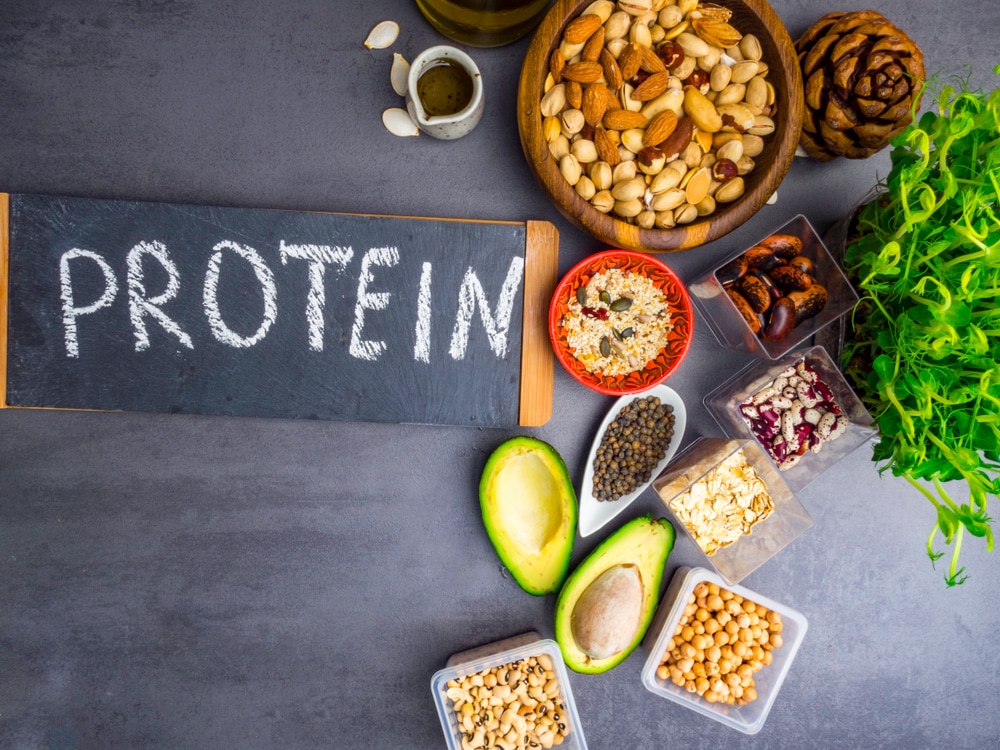
Mix up your sources of protein to include seafood, beans, peas and lentils, unsalted nuts and seeds, soy products, eggs and lean meats and poultry. Consider choosing one or two days a week for meatless meals and include fish or seafood twice a week. - Move to low-fat or fat-free dairy milk or yogurt
Replace sour cream, cream and regular cheese with low-fat or fat-free yogurt, milk and cheese.
3. Food Labels
Food labels help you learn the nutrition content of foods and beverages. The goal of these information panels is to provide you with:
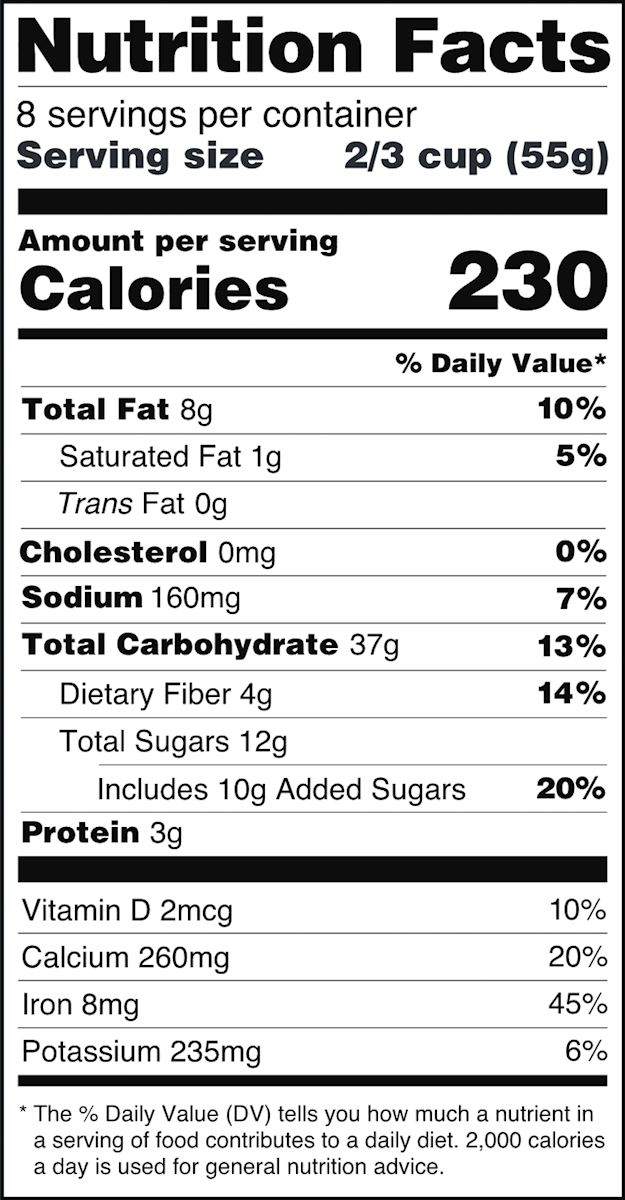
- Nutrition information about packaged and processed foods
- An easy-to-read Nutrition Facts panel where you can quickly find the information needed to make healthful food choices
- The amount per serving of saturated fat, cholesterol, sodium and other nutrients
- Nutrient reference values, or percent Daily Values, which help you see how a specific food fits into your overall daily diet
- Standard meanings of terms that describe a food's nutrient content, ensuring that such terms mean the same for any product on which they appear, such as "light," "low fat" and "high fiber"
- Standard serving sizes that make it easier to compare the nutrition of similar products
Mom’s Meals® helps take the guesswork out of healthy eating
Eating better shouldn’t be a hassle. You can rely on the ease and convenience of Mom’s Meals for delicious and nutritious medically tailored meals.
- 9 delicious menus, 60+ meal choices and a wide range of options
- Designed by registered dietitians and professional chefs to support most common chronic health conditions as well as overall well-being
- Menus follow the current Dietary Guidelines for Americans
- Made from high-quality ingredients and produced in USDA- and FDA-inspected facilities
- Right-sized portions to meet nutritional needs
- Heat and enjoy in minutes
- Delivered direct to your home
Learn more about our medically tailored meals.