Nutrition
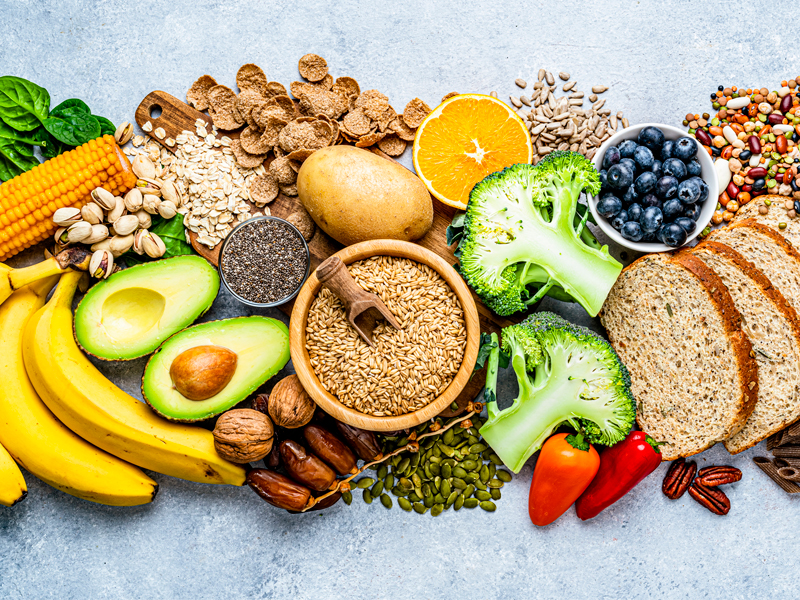
Stress has a way of influencing our food choices, and not always for the better. While reaching for comfort foods in a difficult moment is completely natural, some of those go-to options can intensify stress and anxiety over time. The good news is making a few mindful adjustments to your diet can go a long way in helping your body handle stress today and build the resilience you need to manage it better in the future.
How can stress eating affect the body?
When we're feeling stressed, whether it is from a one-time event or ongoing daily pressure, our bodies respond in ways that can directly affect how we eat and process food. Studies show about, 40% of people tend to overeat when they're stressed. While occasional stress eating is unlikely to cause lasting harm, the real concern comes with chronic stress.
Short-term stress eating
Maybe you have a big presentation or a sudden crisis. Stress can trigger the release of cortisol, a hormone that:
- Increases blood sugar
- Makes you feel hungry and crave foods high in fat and sugar
This is your body's way of seeking quick energy to deal with the perceived threat.
Long-term stress eating
When stress becomes a constant part of daily life, consistently turning to food for comfort can lead to:
- Digestive issues
- Blood sugar imbalances
- A weaker immune system
- A higher risk of serious health conditions, such as diabetes, heart disease, depression and some cancers
Cortisol that stays high for a long time can:
- Slow metabolism
- Cause your body to store more fat, which can make it harder to manage your weight
Foods to avoid when stressed
If you’re feeling worried or anxious, some foods can actually make things worse. Foods to avoid when you're feeling stressed include:
Highly processed foods
Fast food, chips and processed snacks are often loaded with unhealthy fats and added sugars that can drive up cortisol levels.
High-sodium foods
Salty snacks and canned foods can raise blood pressure and put additional physical stress on the body.
Caffeine
Caffeinated beverages like coffee, tea and energy drinks can push cortisol levels higher, particularly when you're already under pressure, leaving you feeling more wired than relaxed.
Alcohol
While a drink might seem like a quick way to unwind, alcohol can elevate cortisol levels and disrupt sleep, both of which can make stress feel worse over time.
Sugary foods and drinks
Cookies, candy and soda can make your energy and mood rise and fall quickly. This can make stress even harder to manage.
White bread and other refined grains
White bread and pastries can cause rapid blood sugar spikes and crashes, potentially leaving you feeling more anxious and fatigued.
What foods can help reduce stress?
Fortunately, making a few simple swaps can make a real difference. Here are some of the healthier foods to reach for when stress levels are running high.
Whole grains
Foods like oatmeal, brown rice and whole wheat bread help stabilize blood sugar levels and support steady serotonin production, helping keep your mood more balanced throughout the day.
Fruits and vegetables
Packed with vitamins, minerals and antioxidants, fruits and vegetables help combat the inflammation that chronic stress can cause. Leafy greens, berries and citrus fruits are especially beneficial for supporting a healthy stress response.
Lean proteins
Protein-rich options like chicken, fish, eggs and legumes provide amino acids that help regulate mood and energy levels. They also help keep you feeling full longer, reducing the temptation to reach for less healthy options when stress hits.
Fermented foods
Yogurt, kefir and sauerkraut support gut health, which is closely linked to mood and stress regulation. A healthy gut can help the body manage stress more effectively.
Water
Dehydration can make stress and anxiety feel worse. Staying well hydrated helps the body function at its best, supports healthy cortisol levels and can even improve focus and mood.
A healthy diet cannot eliminated stress, but it can help support healthy cortisol levels, mood and overall well-being. Small, consistent changes to what you put on your plate can add up to a meaningful difference in how you feel, both mentally and physically, when life gets overwhelming.
Mom's Meals® medically tailored meals can help
Good nutrition can be a powerful tool in helping your body manage stress and build the strength to tackle whatever comes your way.
Our medically tailored meals help take the guesswork out of getting the high-quality nutrition you need for better health. With no prep work or cooking, eating better is simple and convenient. That helps leave you with one less thing to worry about and more energy to focus on what matters most in your life.
- 9 delicious menus, 60+ meal choices and a wide range of options.
- Ready in minutes.
- Designed by registered dietitians and professional chefs to support most common nutrition-sensitive conditions as well as dietary needs and preferences.
- Balanced portions and a variety of lean proteins, grains, fruits and vegetables.
- Crafted from high-quality ingredients and free from artificial food dyes, artificial sweeteners, and primarily use natural flavors. In addition, we no longer produce meals with the artificial preservatives of potassium sorbate and sodium benzoate.
- Produced in USDA- and FDA-inspected facilities.