Health Condition Support
If you get stomach cramps and feel bloated after eating a sandwich on wheat bread or a bowl of pasta, do you have celiac disease? A wheat allergy? Or neither? If you experience discomfort after eating products with wheat in them, how do you know the difference and what you should you do?
What are they?
Celiac disease
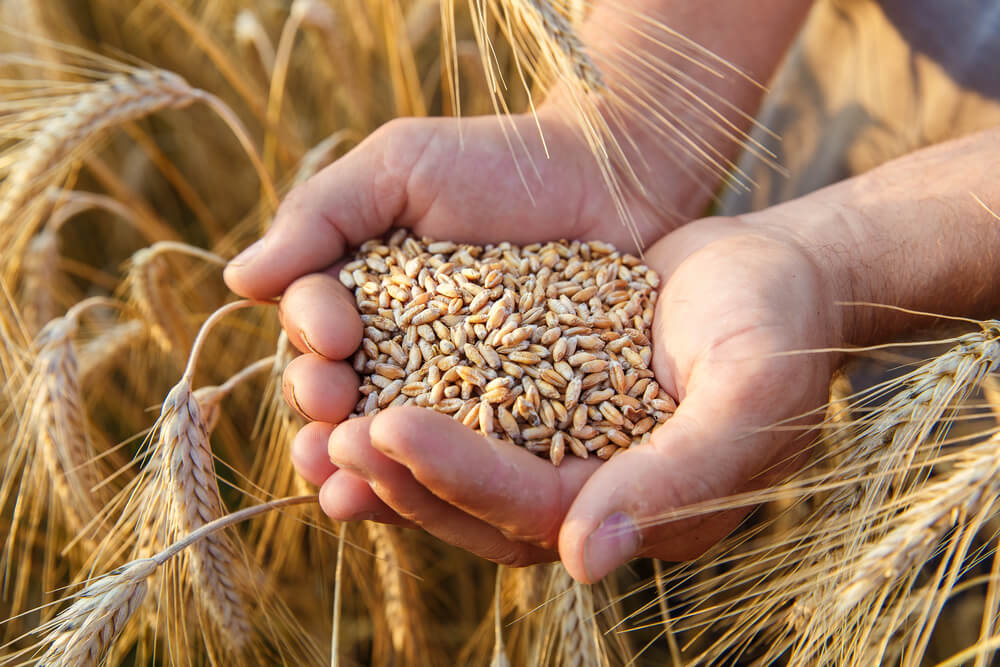
Celiac disease and wheat allergies share some common aspects, but they’re fundamentally different. Celiac disease is a genetic autoimmune disease that causes the body to attack the small intestine when a person with the disease eats gluten, a protein found in wheat. Gluten is also found in barley, rye and triticale.
Wheat allergy
A wheat allergy is an allergic reaction to wheat whether it’s consumed or inhaled, for instance breathing in particles of wheat flour. If you have a wheat allergy, the body triggers an immune defense against the wheat which can lead to a range of symptoms.
Symptoms
- Celiac disease and wheat allergy: There is an overlap in symptoms between the two conditions including abdominal pain, bloating, diarrhea and constipation
- Celiac disease: You may also experience fatigue, headaches, anemia, weight loss, joint pain, and low vitamin D and vitamin B12 levels
- Wheat allergy: It can trigger hives, runny nose, congestion, sneezing and asthma — symptoms generally not associated with celiac disease
Diagnosis
If you notice that you have stomach issues, discomfort or allergy-like symptoms when you eat wheat, start by talking with your primary care doctor about your condition.
- Celiac disease is usually diagnosed by a gastroenterologist, a doctor who specializes in stomach and intestinal disorders, with a blood test and sometimes a biopsy
- Wheat allergies can be diagnosed by an allergist who will take a medical history and may conduct a skin prick or blood test to confirm the diagnosis
Treatment
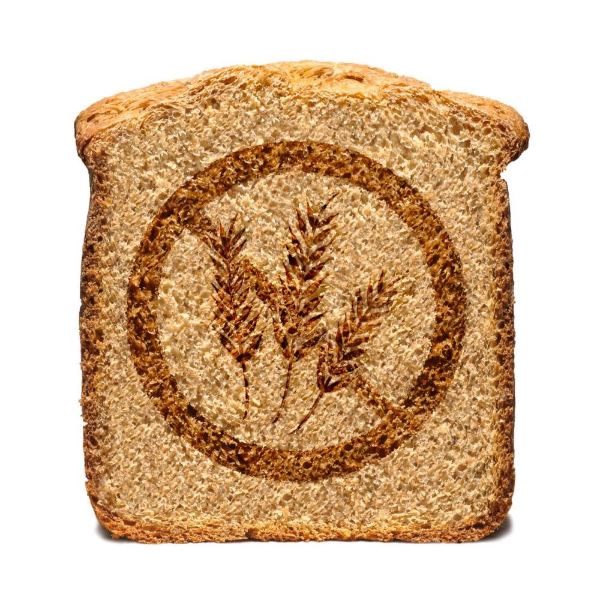
Anyone living with either condition should avoid products containing wheat. But for people with celiac disease, that avoidance should be total and lifelong. You don’t grow out of celiac disease and even tiny amounts of gluten contaminating gluten-free foods can lead to damage to the intestine and contribute to long-term, serious health problems including bone weakness, infertility, and nervous system disorders.
Management
When you need to avoid wheat to protect your health, education is key:
- Know the types of wheats and grains you shouldn’t eat
- Learn how to read food labels carefully
- Be aware that gluten is also found in non-food items including some medications, cosmetics, and bath products
Mom's Meals® can help
Gluten-free medically tailored meals and resources
If you or a loved one has celiac disease, preparing meals with the right nutritional balance but no gluten can be challenging. Mom's Meals helps make it easy and safe with a gluten-free menu that contains less than 20 parts per million of gluten in each meal, a level proposed by the FDA. Mom’s Meals are also tested using the ELISA method, a biochemical technique designed to assess food for gluten.
To discover more about celiac disease and gluten sensitivity, download our helpful brochure. It also shares important tips and nutrition insights.