Health Condition Support
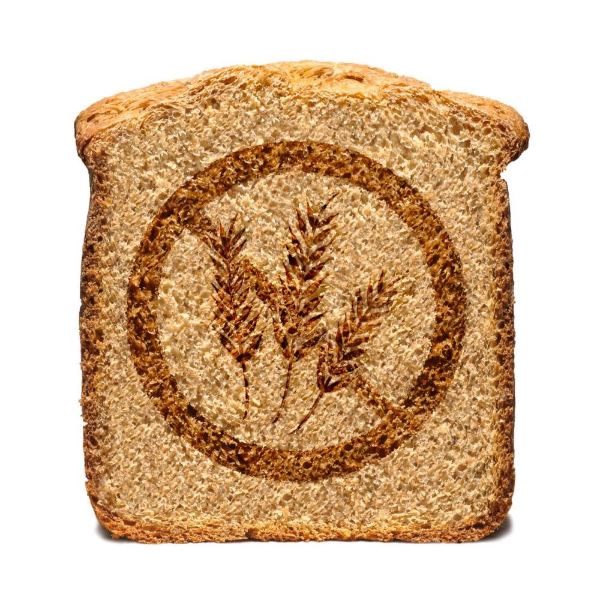
You've probably heard about the potential health benefits of a gluten-free diet or friends have shared stories about feeling more energized after giving up gluten. There are many reasons why individuals may consider this lifestyle, but not all of them are backed by science. Explore the common myths surrounding gluten and when a gluten-free lifestyle can be helpful.
What is gluten?
Gluten is a protein found in wheat, rye, barley and triticale. Triticale is a cross between wheat and rye. Gluten plays a key role in giving dough its elasticity and the characteristic chewy texture found in many baked goods. It is present in a wide range of foods, including pasta, cereal and bread, as well as beer and brewer's yeast. It can also appear in unexpected products such as soups, French fries, potato chips, tortillas, candy bars and salad dressing. In addition, some cosmetics and prescription and over-the-counter medications may contain gluten as it is sometimes used as a binding agent in these products.
Common myths about gluten
Myth #1: A gluten-free diet is right for everyone
It is essential for those who have celiac disease (celiac sprue).
Celiac disease is an autoimmune condition. In those with celiac disease, consuming gluten can trigger an immune response that attacks the small intestine, causing long-term damage to its lining. As a result, the body becomes unable to properly absorb nutrients, regardless of food intake.
Over time, this can lead to nutrient deficiencies, which may cause serious health complications, including weak bones, infertility, lactose intolerance, skin issues (such as and itchy rash), anemia (low red blood cell count), migraines, seizures and even an increased risk of intestinal cancers. A blood test can detect celiac disease and confirm the diagnosis, allowing your doctor to determine methods for early intervention and management.
Gluten-sensitivity has symptoms that are like celiac disease.
Gluten-sensitivity doesn't cause intestinal damage or an autoimmune response. These symptoms may include bloating, gas, diarrhea, joint or abdominal pain. Currently, there is no direct validated test for gluten-sensitivity. It is a diagnosis of exclusion made by first testing for and ruling out celiac disease and a wheat allergy. If both are negative, your doctor may recommend a gluten-elimination diet. If symptoms improve on a gluten-free diet, then you likely have a non-celiac gluten sensitivity. If gluten-sensitivity is left undiagnosed, it can result in serious complications over time.
Myth #2: Going gluten free means you'll lose weight and feel energized
Do not follow a gluten-free diet for weight loss or to increase energy levels. Do not remove gluten just to feel healthier. Weight loss is not related to being gluten free or not.
While some people report feeling more energized after eliminating gluten, there is no scientific evidence that a gluten-free diet boosts energy for those without a sensitivity. It's important to remember that energy levels are also influenced by overall nutrition, sleep and exercise, not just one dietary factor.
There is no reason to avoid gluten unless you have celiac or a sensitivity to gluten. Plus, you may miss out on important nutrients.
Myth #3: All gluten-free foods are healthy
Not necessarily. Just because a food is gluten free doesn't mean it's healthier. Many gluten-free packaged foods, such as cookies, snacks and breads, are made with refined flours, added sugars and unhealthy fats to mimic the texture and taste of their gluten-containing counterparts.
Some healthy gluten-free options include fruits, vegetables, meat, poultry and eggs.
Myth #4: Gluten can be absorbed through the skin
People with celiac disease cannot get sick from touching gluten. It must be eaten or enter the bloodstream through an open wound. Keep in mind some cosmetics may contain gluten and therefore should not be accidentally ingested. Hand washing is a must when using face or hand products in case ingredients get transferred from hands to mouth.
Be careful not to ingest:
- Cosmetics or toiletries
- Lipstick
- Lip gloss
- Sunscreen and lotions
Mom's Meals® can help
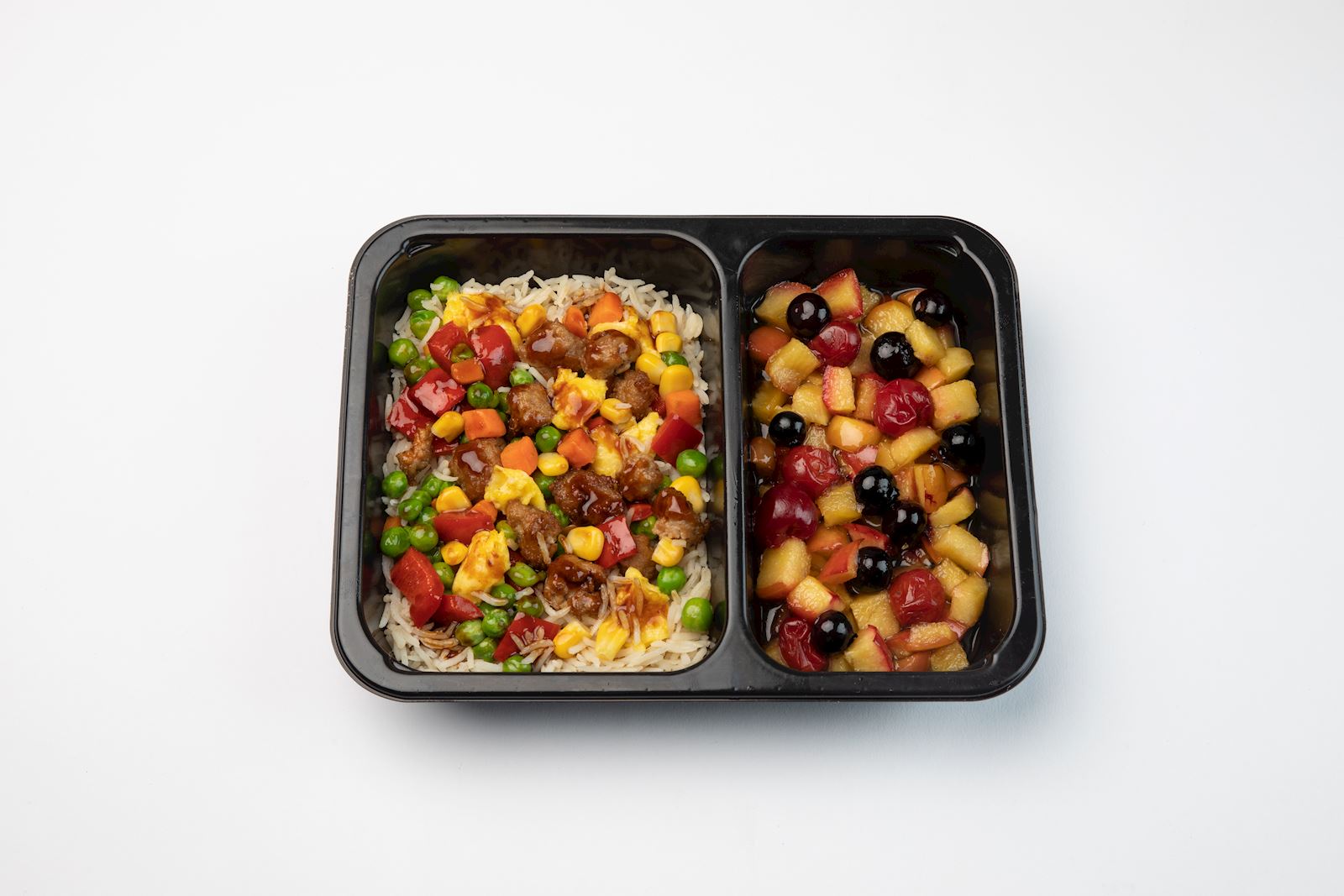
If you or a loved one has celiac disease, preparing meals with the right nutritional balance but no gluten can be challenging. Mom's Meals helps make it easy and safe with our delicious and nutritious gluten-free meal options. Download our brochure for tips about living with celiac disease
Our gluten-free menu features a variety of delicious meals designed specifically for you. Each meal on this menu contains fewer than 20 parts per million (ppm) of gluten and is crafted based on FDA guidelines. To ensure the highest level of safety and accuracy, our meals are independently tested and verified using the ELISA method, a biochemical method that detects even trace amounts of gluten in prepared and processed foods and beverages.