Health Condition Support
Over half a million people go to the emergency room each year with kidney stones. The condition is often extremely painful and can possibly lead to complications if left untreated. Here’s what you need to know about kidney stones, the potential risk factors and how to prevent them.
What are kidney stones?
Your kidneys work as your body’s filters, straining wastes including minerals and chemicals and extra fluid from your system to make urine. But when there is too much waste and not enough liquid in your system, tiny crystals can start to form in the urine.
Those crystals can attract other elements and grow and form a stone. Kidney stones range in size from as small as a grain of sand to as large as a pea. In some rare instances, they can be as large as a golf ball. Stones can either remain in the kidney or move down the urinary tract. Some smaller stones can be passed without incident, but often kidney stones cause irritation and blockages that are very painful and require medical intervention.
Who gets them? Are kidney stones genetic?
Studies show that about one in ten Americans will get a kidney stone in their lifetime. And that number is only growing due to Americans’ dietary choices and the rise in chronic conditions that contribute to kidney stones. Men more commonly develop stones than women; children can get kidney stones, too. Here is some good information from the Cleveland Clinic about kidney stones.
There are several reasons why some people are more likely to develop kidney stones than others:
- Chronic conditions including diabetes, high blood pressure, certain digestive issues, and obesity can all contribute to kidney stones.
- Medications, including some antacids and diuretics (or “water pills”), taken over a long period of time can cause kidney stones.
- Genetics also play a part. People with a family history of kidney stones are more likely to develop them.
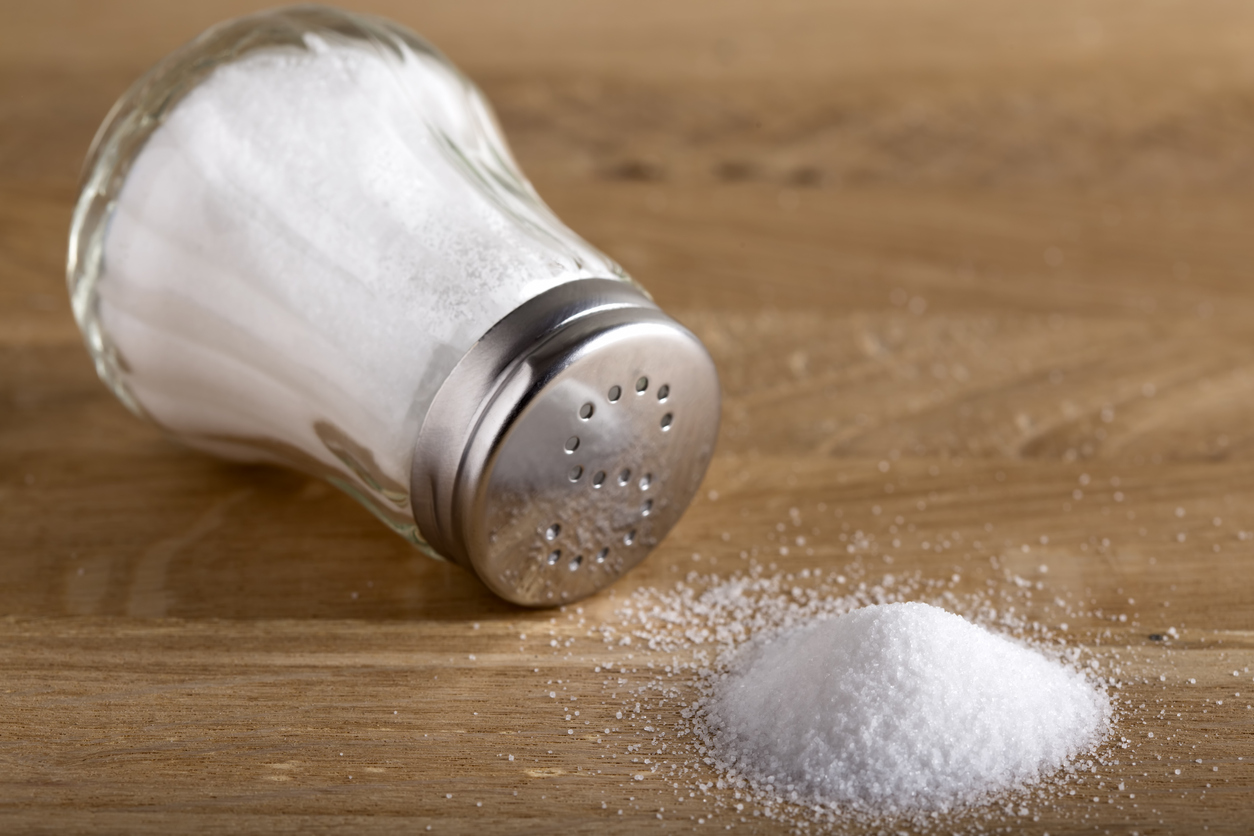
- Dietary choices, especially consistently not drinking enough water, eating too much sugary or salty food, can increase the risk of forming kidney stones.
What are the symptoms of a kidney stone?
Kidney stones can cause a variety of symptoms, including:
- Pain during urination
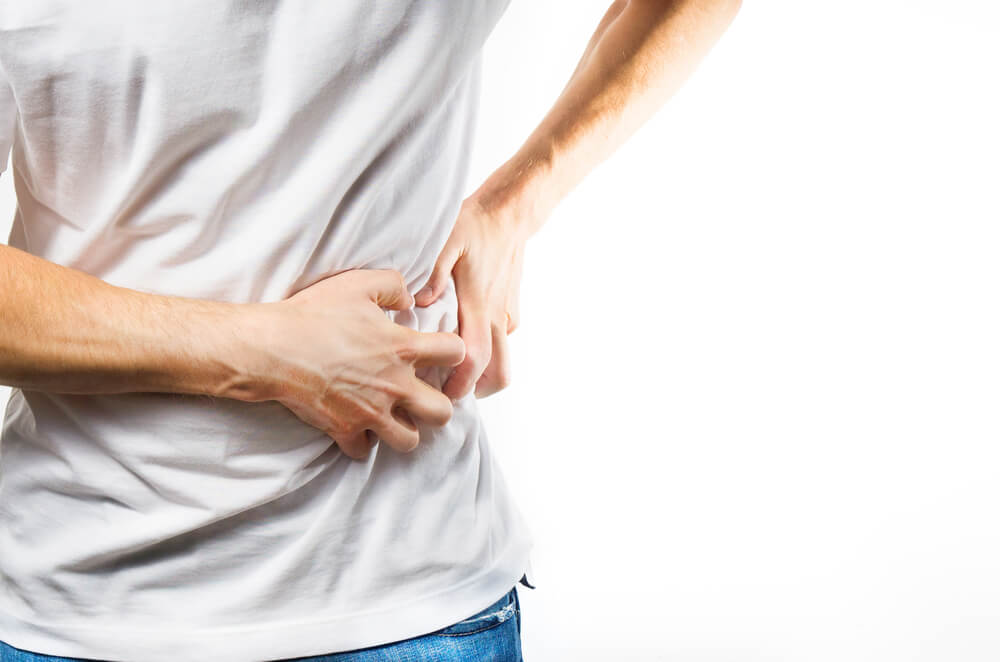
- Pain in your lower stomach or back
- Blood in the urine
- Persistent stomachache
- Nausea or vomiting
- Cloudy or foul-smelling urine
Symptoms can vary depending on the size and location of the kidney stone. If you suspect you have a kidney stone, it’s important to consult a health care professional for proper diagnosis and treatment.
What are the types of kidney stones?
Treatment depends on the size and type of stone. There are four types:
- Calcium stones – These are the most common and form when you don’t get enough fluids or calcium.
- Uric stones - Develop when urine is too acidic; often related to high protein diets or certain medical condition.
- Struvite stones – Formed in response to upper urinary tract infections, often associated with alkaline urine.
- Cystine stones – The least common type of kidney stone and occurs in people with a genetic disorder called cystinuria, which causes excess cystine in the urine.
How long do kidney stones last?
It depends on the size and location of the kidney stone. About 80% of kidney stones will pass on their own.
- Smaller stones (less than 4 millimeters) — 1-2 weeks
- Larger stones — 2-3 weeks
What are the treatments for kidney stones?
Treating kidney stones typically involves a combination of pain management, hydration and medical procedures.
- Small stones
- Increasing fluid intake can help flush them out naturally
- Over-the-counter pain relievers may reduce discomfort
- Increasing fluid intake can help flush them out naturally
- Larger stones or those causing significant pain could require
- Prescription medications
- Shock wave lithotripsy (sound waves to break up stones)
- Ureteroscopy (using a thin tube to remove or fragment stones)
- Surgical intervention may be necessary in severe cases
- Prescription medications
Can you prevent kidney stones?
There are steps you can take to reduce your risk or the reoccurrence of kidney stones, such as:
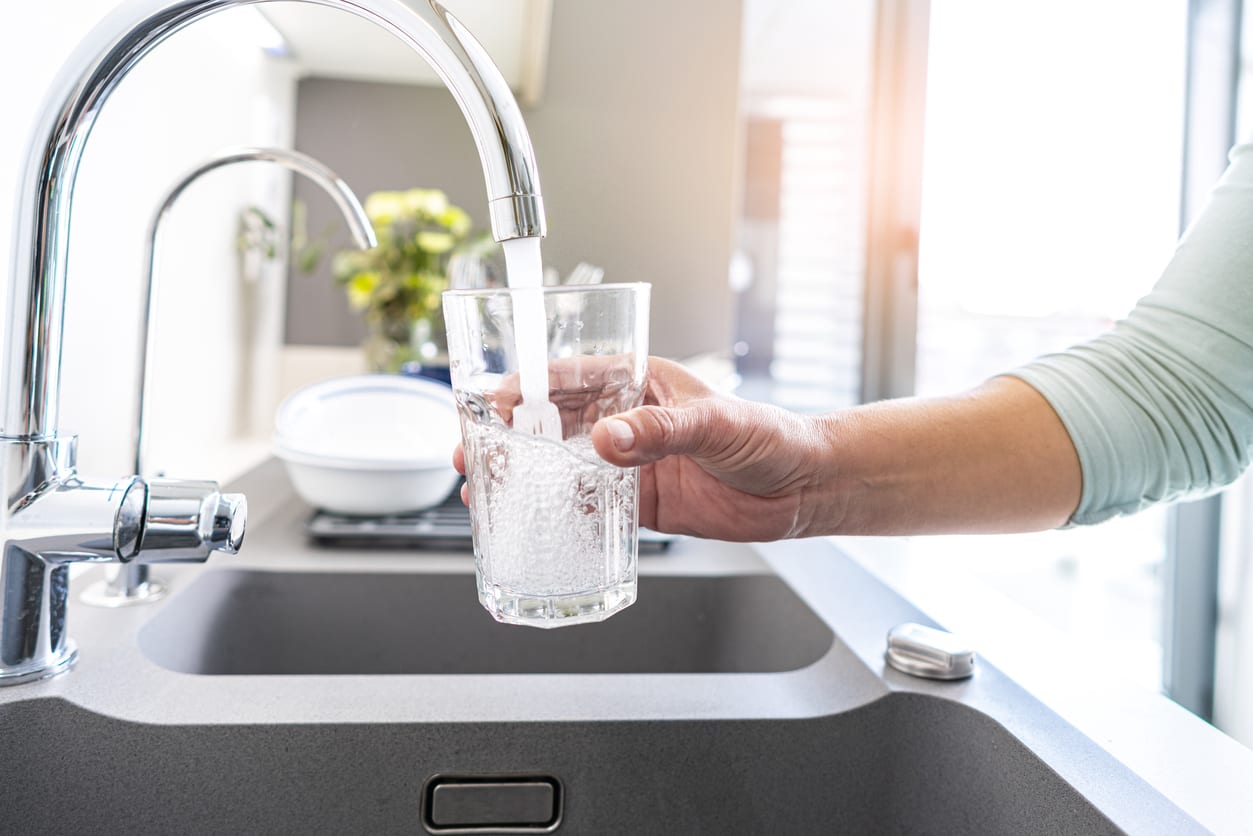
- Stay hydrated
- Take medications to address underlying conditions
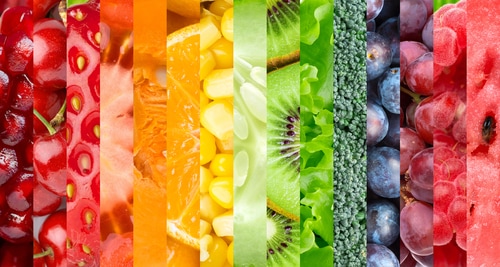
- Follow a balanced diet low in salt and animal protein, and high in fruits and vegetables
- For those who get calcium stones, getting the right amount of calcium through dietary sources rather than supplements can be helpful, while limiting oxalate-rich foods like spinach and nuts
- Maintain a healthy weight
- Avoid excessive intake of high-fructose foods and sugary drinks to support overall kidney health
- Get regular check-ups with a health care provider to determine what preventive plan is right for you
Mom's Meals® can help
Quality nutrition is the foundation of a healthy life. Mom’s Meals medically tailored meals take the hassle out of eating better with:
- 60+ delicious meal choices including renal friendly and lower sodium options
- Ready-to-heat-and-eat convenience
- Meals carefully designed by registered dietitians and professional chefs
- Delivery direct to your home