Nutrition

While restrictive dieting may seem like a solution for weight loss, there are often better ways to approach your health and wellness journey. Look at the pitfalls to avoid and get tips for healthier eating habits.
What is restrictive dieting?
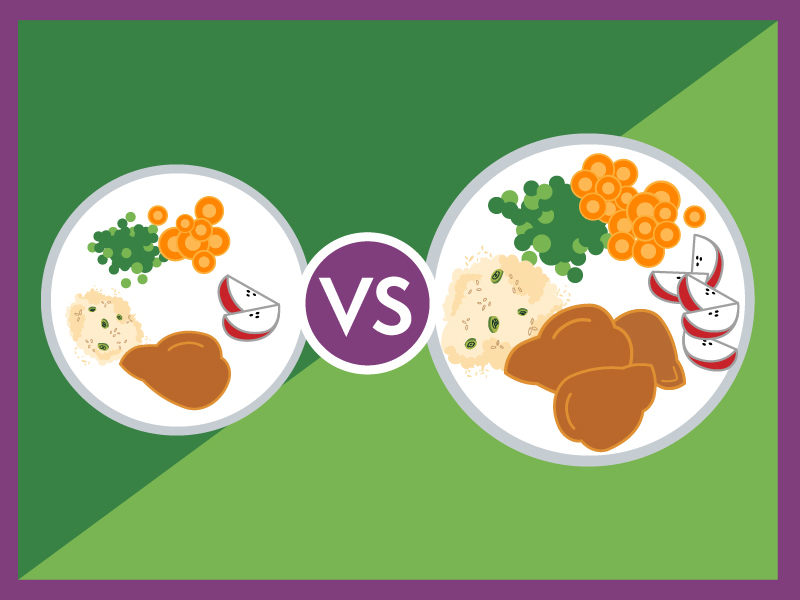
Restrictive dieting is an eating approach that severely limits calories, certain foods or entire food groups, often through rigid rules. Many people struggle with some dieting methods that are too restrictive or unsustainable for long-term weight loss. As a result, many end up abandoning their diets or feeling guilty and frustrated.
The downsides of restrictive dieting
1. Slower metabolism
Severe or prolonged calorie restriction can cause the body to conserve energy and reduce the amount of energy it uses. It sends a signal to the body that basic energy needs are not being met. The body responds by going into an energy conservation mode. Over time, the body may adapt to a calorie deficit by using less energy, which can make continued weight loss or weight management more difficult.
2. Possible binge eating and overeating
Severely limiting calories or certain foods may lead to feelings of deprivation or increased thoughts about food. For some people, severe food restriction can increase food preoccupation or contribute to episodes of binge eating or overeating.
3. Weight cycling
Weight cycling occurs as individuals go on and off diets and weight goes down and then comes back up. Weight regulation is complex and can be affected by biological, behavioral and environmental factors. While weight cycling does not cause metabolic damage, it can lead to temporary metabolic slowdown.
4. Difficulty recognizing hunger and fullness cues
Highly restrictive diets may encourage people to follow rigid food rules instead of responding to hunger, satisfaction and fullness cues. When this occurs, we can lose sight of what foods make us feel energized and how much food is needed to make us feel satisfied. Then when the diet is over, we may crave the food we had restricted and have little understanding of how to nourish our body without the external food rules.
5. Disruption in everyday life and relationships
What if you were told that you could no longer eat your favorite food? Any type of food rule can lead an individual to become preoccupied with food thoughts. In this instance, you would likely crave the very food that you are restricted from eating and perhaps ruminate about how it looks, tastes and smells. This takes a great deal of time and energy, and you may miss out making connections with others, living in the moment or enjoying family events.
Tips for healthy eating habits
Instead of restrictive dieting, there are healthier ways to take care of your body, including practicing intuitive eating and establishing positive eating habits. Speak with your healthcare provider to help create a plan that works best for your health needs.
1. Eat regularly
Fueling the body consistently throughout the day prevents you from feeling ravenously hungry and then eating beyond feeling comfortably full. Try fueling your body every 3 to 5 hours during the day.
2. Select satisfying foods
Select a variety of foods that taste good and make you feel good after you eat them. This will look different for everyone; no need to compare yourself to others or have forbidden foods unless a medical condition necessitates the removal of the food from your diet.
3. Include all three macronutrients
The three macronutrients are protein, carbohydrates and fats. They are all needed by the body and each plays a different role. Include some of each macronutrient throughout the day based on your health and dietary needs.
4. Think positive
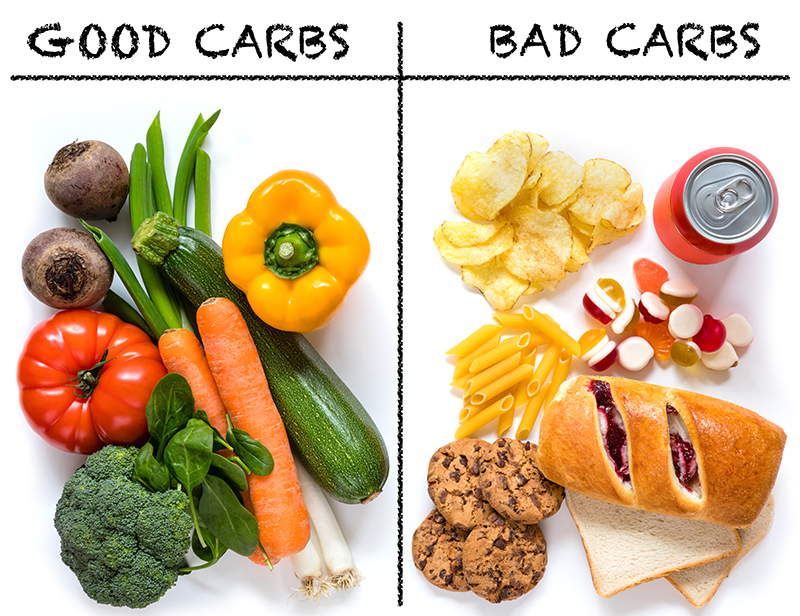
Try creating a positive relationship with food by letting go of the idea of “good” and “bad” foods and aim for balance, not restriction.
5. Promote pleasure
Eating is more than simply fueling the body. Mindful eating encourages choices that nourish and satisfy while helping us develop a more positive, judgment-free relationship with food. Set the stage for a pleasurable experience by dining at a table, inviting others to join you, listening to music while eating or savoring the taste of each bite.
Moms Meals® can help
Eating for better health is easier when you enjoy meals that meet your nutritional needs. Mom’s Meals helps make it easier to get balanced, nutritious meals tailored to your individual needs, right at home.
- 9 delicious menus, 60+ meal choices and a wide range of options.
- Ready in minutes.
- Dessigned byregistered dietitians and professional chefs to support most common nutrition-sensitive conditions as well as dietary needs and preferences.
- Balanced portions and a variety of lean proteins, grains, fruits and vegetables.
- Crafted from high-quality ingredients and free from artificial food dyes, artificial sweeteners, and primarily use natural flavors. In addition, we no longer produce meals with the artificial preservatives of potassium sorbate and sodium benzoate.
- Produced in USDA- and FDA-inspected facilities.