Nutrition

Healthy eating can do more than provide energy and nutrients, it can also help prevent and manage chronic diseases, support brain health and even influence your mood. When your nutrition choices help you stay healthier, they may also help reduce the money you spend on doctor visits, medications and other health-related costs.
Why nutrition matters for your health
A balanced diet rich in fruits, vegetables, whole grains, lean proteins and other nutrient-dense foods can support your body and help reduce your risk of conditions such as heart disease, Type 2 diabetes and certain cancers.
If you're looking for a good starting point, the Dietary Guidelines for Americans offer science-based recommendations for healthy eating throughout your life. Your nutritional needs can vary based on factors such as your age, activity level and health conditions, so talk with your doctor or a registered dietitian about what approach is right for you.
The state of nutrition and chronic disease in America
Poor nutrition is a leading cause of illness in the U.S. The numbers illustrate the connection between nutrition and health and why the foods we choose each day matter:
- 75% of adults report having at least one chronic condition
- Over 50% of Americans have prediabetes or diabetes
- Nearly 1 in 5 children between the ages of 12 and 18 has prediabetes
- Over 70% of adults are overweight or obese
- 90% of the U.S. healthcare spending goes to treating chronic disease
3 simple principles of good nutrition
Good nutrition and healthy eating habits can help protect and improve physical and mental health while lowering the risk of chronic disease. The choices we make can help lower the risk of certain diseases, support the body through existing health challenges and reduce symptoms of chronic illness. Using food as medicine can also support mental and behavioral health, making nutrition an important part of a whole-person approach to promoting overall well-being. Here are three principles for good nutrition:
- Focus on nutrient-dense foods and drinks
- Select a variety of foods from the different food groups
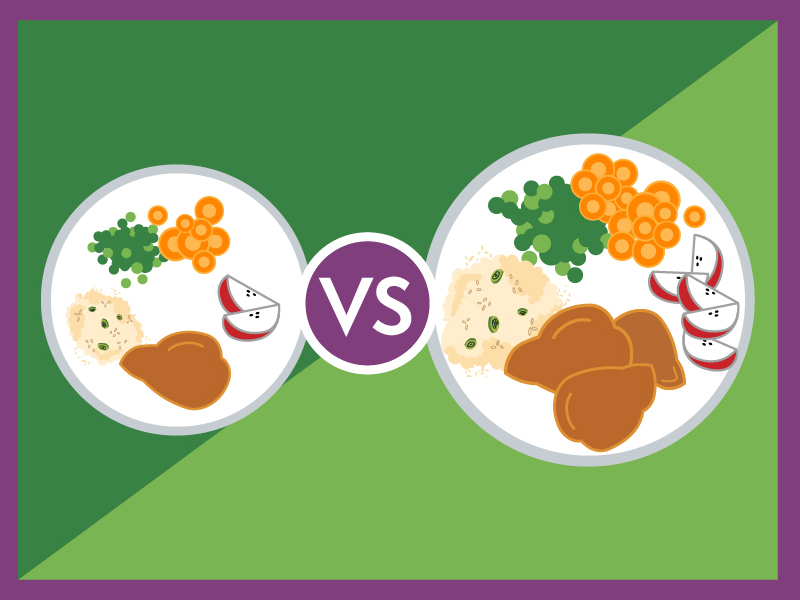
- Pay attention to portion size and serving size
6 food groups for a balanced diet
A useful way to put the idea of food as medicine into practice is to make healthy food choices that focus on variety and balance rather than any single “superfood.” Building meals and snacks from different food groups and limiting highly processed foods can help provide the range of nutrients your body needs to support your overall health.
- Vegetables
- Fruits
- Grains
- Dairy
- Protein foods
- Oils
4 healthy eating guidelines everyone should know
Healthy eating doesn’t have to mean following a complicated set of rules. These four simple guidelines can help you make nutritious choices that fit your needs and health goals.
- At every life stage, you should follow a health dietary pattern. This means choosing a variety of nutrient-dense foods and drinks that provide vitamins, minerals and other nutrients your body needs.
- Make healthy choices that fit your preferences, budget and cultural traditions. Look for options you enjoy and can realistically include in your everyday routine.
- Stay within recommended calorie limits while eating foods from all the key food groups. Focus on getting the most nutritional value from the calories you consume, rather than simply eating less.
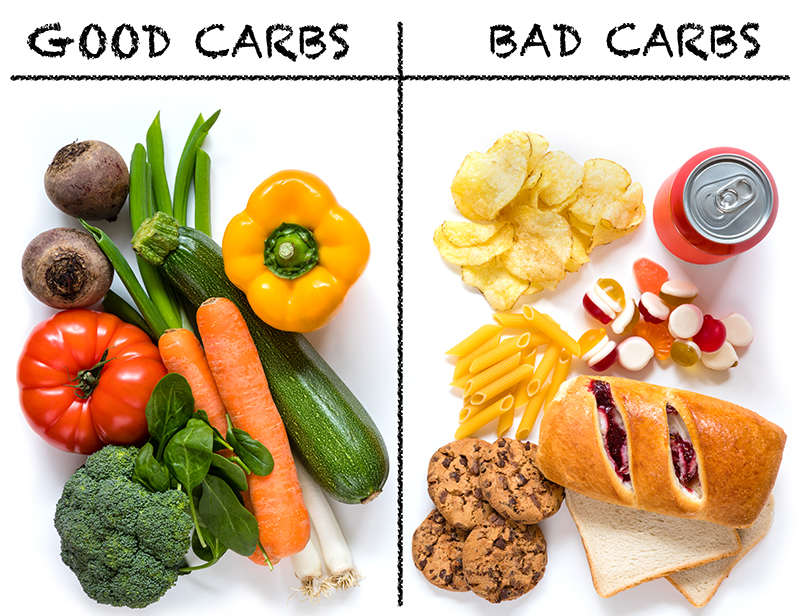
- Limit foods and drinks high in added sugar, saturated fat and sodium, and limit alcoholic beverages. Pay attention to nutrition labels and ingredient lists to spot these ingredients.
Mom’s Meals® food as medicine solutions can help
Mom’s Meals helps make it easier to get balanced, nutritious meals tailored to your individual needs, right at home. From medically tailored meals for nutrition-sensitive conditions to options designed to support everyday wellness, our food as medicine solutions are created by registered dietitians and professional chefs and made with high-quality ingredients, balanced portions and a variety of lean proteins, grains, fruits and vegetables.
Learn more about the role food as medicine has in improving health outcomes and costs, and how it can support people seeking to live healthier, manage chronic conditions, recover from illness or continue to live independently.